

If you’re starting from scratch, choosing new windows can feel overwhelming and confusing. This beginner-friendly residential window and glass guide breaks down what matters so you can compare options confidently, set a smart budget, and end up with a quieter, more efficient home.
Along the way, you’ll also learn how windows and glass work together to improve energy use, durability, security, and aesthetics.
1) How a Window’s Built: Frames + Glass
Every window has two major parts: the frame (what holds everything together) and the glazing (the glass portion).
Common frame materials
- Wood: Warm, traditional, and easy to refinish; needs periodic maintenance in wet climates.
- Vinyl: Affordable and low maintenance; performance varies by brand and construction quality.
- Fiberglass: Strong and stable; often comes at a mid to high price point.
- Composite: Often combines materials like wood fibers and polymers – resulting in more strength, lower maintenance, and thinner frame profiles.
Glazing (the glass unit)
- Single pane: Mostly found in older homes, these type of windows have one sheet of glass and usually have poor performance when it comes to blocking outside temperatures.
- Double pane: Features two panes with an air or gas-filled space. It’s known as today’s standard for efficiency and comfort.
- Triple pane: Three panes for even better insulation and noise reduction. However, expect higher costs and heavier glass, which may be too heavy for some materials like vinyl.
2) Energy Performance
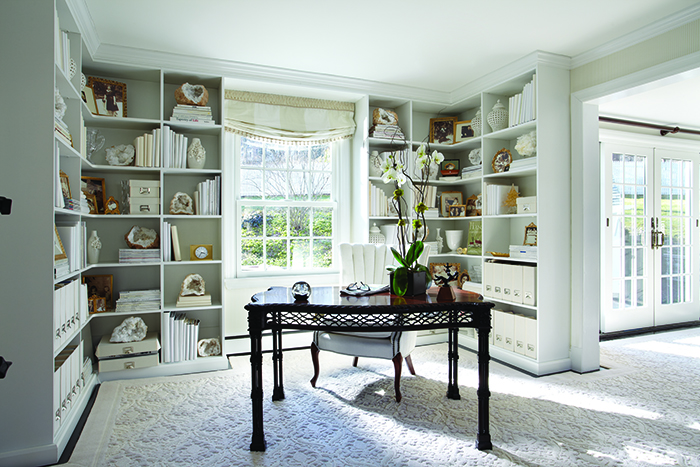
Energy performance determines how comfortable your rooms feel and how high your utility bills run. Focus on four metrics found on the NFRC label:
- U-Factor: This shows a window’s ability to retain heat. The lower the rating, the better the insulation.
- Solar Heat Gain Coefficient (SHGC): This signifies how much the sun’s heat passes through a window. A lower rating means less heat enters while a higher rating shows that more heat enters.
- Air Leakage (AL): How much air sneaks through the cracks; a lower rating means fewer drafts.
- Visible Transmittance (VT): How much natural light passes through; a higher rating means brighter interiors.
3) Safety, Sound, and Specialty Glass
Not all glass is the same, and some upgrades will pay off in the long run:
- Tempered glass: Heat-treated to be stronger – but if it breaks, it crumbles into small pieces. Required near doors, bathrooms, and floor-level glazing in many building codes.
- Laminated glass: Two sheets joined with a clear interlayer. It resists shattering, blocks more sound, and enhances your home’s security.
- Tints & coatings: Subtle tints or special coatings can reduce glare and solar gain without darkening your view.
4) Styles and How They Operate
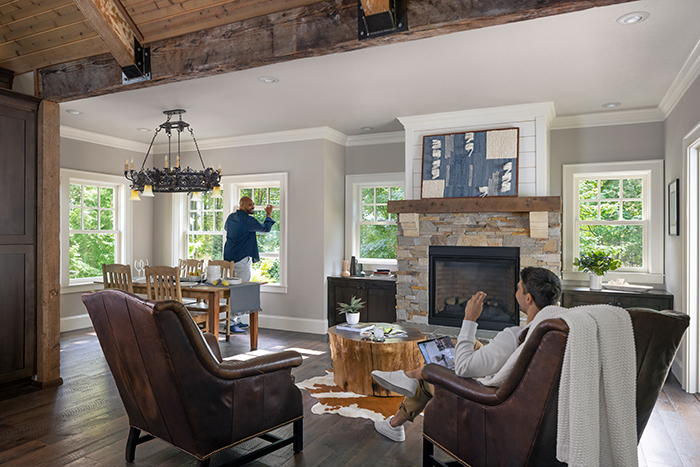
- Slider: Horizontal movement; simple and space-saving.
- Picture/Fixed: Non-operable; maximum view and efficiency.
- Awning: Hinged at the top; shields you from light rain while allowing for more airflow.
- Casement: Hinged at the side and crank outs. It seals tightly, offers better energy performance, and brings in a nice breeze.
- Bay/Bow: Multi-panel projections that add space, light, and architectural interest.
- Double-hung: Two sashes move up/down; classic look, easy to ventilate from the top and bottom.
Choosing a style is about both aesthetics and function. For example, casements excel in windy areas, awnings are great above kitchen sinks, and double-hung windows fit right in with traditional homes and allow for easy cleaning when sashes are tilted inwards.
5) Matching Products to Your Climate and Your Home
- Hot, sunny climates: Choose lower SHGC to reduce heat gain, especially on windows that face the west and south sides of your home. Not to mention, adding laminated or specialty coatings helps to block UV rays and glare.
- Cold or mixed climates: Focus on low U-Factor and specialty coatings that keep heat inside while still allowing for light to shine through.
- Coastal or high-wind zones: Ask about structural ratings (DP/PG), corrosion-resistant hardware, and laminated glass for extra protection.
Also consider your home’s architecture. Slim frames enhance modern styles; colonial and farmhouse grille patterns complement more historic-looking homes, while fade-resistant exteriors ensure long-term curb appeal.
6) Installation Quality Matters
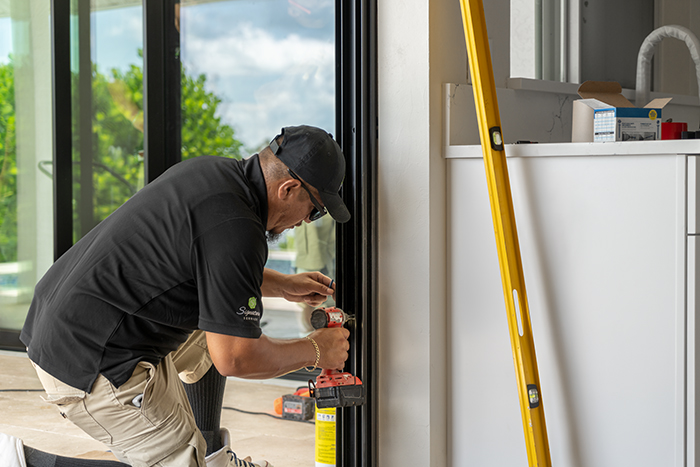
Even the best windows and glass underperform with poor installation. Look for:
- Proper weatherproofing and sealing tied into the wall system.
- Certified installers who follow manufacturer instructions and local codes.
- A company with a strong warranty that covers both product and installation.
- Exact measurements and job-specific plans (since each opening can be unique).
7) Budget, Value, and Return on Investment
Prices vary by size, frame material, glass package, and any custom features (colors, hardware, grills). Think in terms of the total value:
- Energy savings: Lower heating/cooling costs over time.
- Noise control: Laminated or triple-pane glass can make busy streets quieter.
- Comfort: Fewer drafts, more consistent room temperatures, and reduced hot/cold spots.
- Resale and curb appeal: Brand-new windows will modernize your space and show potential homebuyers that your home is backed with the highest quality.
- Maintenance: Materials that resist rot, swelling, and fading reduce lifetime costs.
8) Things to Consider Before Buying

- Which frame material best fits your climate, style, and maintenance comfort?
- Are installation details, scope of the project, and warranties crystal clear?
- Do the NFRC numbers align with your goals (U-Factor, SHGC, AL, VT)?
- Is the glass package right for safety, noise, and sun exposure?
- Does the provider offer service after the sale?
Bottom line: This residential windows and glass guide shows how frame material, energy metrics, and glazing choices come together. At the end of the day, when you evaluate windows and glass as a system, you’ll make a purchase that pays you back in comfort, efficiency, and long-term value.