
When looking at a faulty window, the main question usually is: fix it or replace it? Deciding between replacement windows and choosing to repair windows isn’t always obvious, especially when you’re weighing the cost, comfort, and their overall aesthetics. We’re here to break down the most common windows issues, when you can keep what you have, and when it’s time to go all-in on a new renovation.
Ultimately, recognizing these pain points allows you to make quicker fixes now and smarter upgrades later on.
Foggy Glass
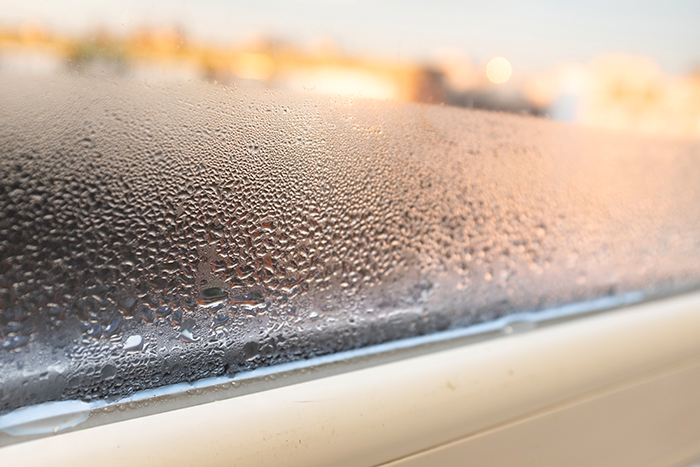
If your window panes tend to look fogged up or “steamy”, you’re probably experiencing a failed seal in your insulated glass unit. In some cases, you can repair your windows by replacing the glass unit and keeping the existing frame; this is a reasonable solution if the frames are in great shape and the window is relatively new.
But if your windows are older (more than 15 years), it might only work as a short-term fix. Failed seals let moisture in, reduce energy performance, and can become warped as the seasons change. Fortunately, replacement windows provide a long-term solution with new glass, fresh seals, and upgraded thermal performance.
Rotting Frames
If you have wood windows that are soft, crumbling, or visibly misshapen, it most likely means the structural integrity of your window has been compromised. Since the frame is what holds your window unit together, everything else will start to deteriorate in the process.
By catching wood rot early, your local carpenter can repair your windows with dutchman patches and epoxy. But if you notice sagging corners, leaks, or soft spots in the frames, it’s probably time for replacements. Modern composites and fiberglass resist moisture better than basic vinyl and unprotected wood – and they also keep their shape in any season.
Poor Insulation

There are several reasons as to why your window isn’t insulating like it should. If your home feels cold in the winter and won’t cool down in the summertime, it’s a clear sign that there’s a bigger issue at play.
Here are a few factors that may be affecting your window’s performance:
- Low-quality materials: Having purely wood windows means they can rot overtime while vinyl tends to bend/warp as temperatures shift. That’s why it’s best to find materials that can withstand all types of weather. \
- Your windows have single-pane glass: The problem with only having a single pane is that it doesn’t offer the same level of support that a double pane gives you. With a single pane, you’re more likely to experience higher energy bills, water leakage, and additional costs to your home down the line.
- Your windows don’t have Low-E Coatings: Without this advanced heat-reflective technology, it will leave your home vulnerable to energy leaks. This causes significant heat loss in the winter and excessive heat gain in summer.
You can try to repair your existing setup, but if your windows are struggling with any of these factors listed above, it’s likely time for an upgrade. When you choose replacement windows, you’re not just fixing a draft; you’re fixing the whole system from the ground up. And in doing so, you’ll be able to feel more stable temperatures and enjoy a more comfortable home for years to come!
Constant Outside Noise
Can’t tune out the constant barking from your neighbor’s dog or the leaf blowers humming early in the morning? This is usually a sound control issue.
If your current setup includes single-pane windows, they tend to offer little resistance to outside noise. You can try to get heavier curtains and use other weatherstripping techniques, but the bigger issues lie within the glass. Ensuring your windows are equipped with laminated glass and well-sealed frames can dramatically reduce the unwanted noise coming from outside your home.
Difficulty Opening Windows
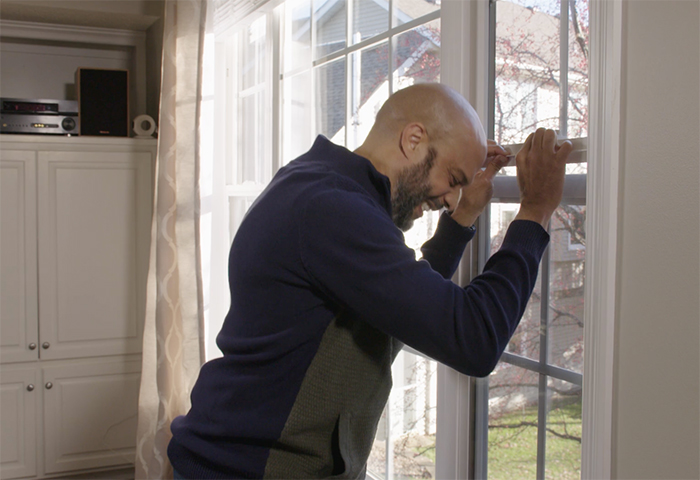
Hard-to-open sashes, broken hardware, wobbly locks – all of these types of operating issues become huge problems with aging windows. If you’re experiencing any of these, it’s usually a tell-tale sign that your windows need fixing.
There are times where you can just replace some hardware and call it a day, but if there’s something seriously wrong with the internal components, you may want to invest a little bit more. Especially for those who use their windows consistently, it’s going to be much more of a hassle to deal with on a daily basis. Whether you’re letting in a fresh breeze or locking them up for the night, having any sort of malfunction will affect both your overall quality of life and the level of security in your space.
Recap: Repairing vs. Replacing
Repairs are the best way to go when the frame is intact, and the problem is relatively salvageable. Swapping a broken lock, resetting a piece of trim, or adding fresh weatherstripping can extend the life of your windows. If you love your existing look and your windows are youthful (less than 15 years old), repairing your windows can be a practical and budget-friendly decision.
Choose replacement windows when big problems start stacking up. We’re talking about lots of outside noise, consistent cold spells, and repeated hardware failures. Above all, a strong replacement brings you more energy efficiency and better protection against the outside air and noise. Not to mention, makes your windows easier to operate and maintain on a regular basis!
 Pro Tip
Ask yourself: Is the frame structurally sound? Do I feel comfortable in my space year-round? Does my window fit my climate and lifestyle? If you answered “no” to any of these questions, it might be time for a full replacement.
Make Your Home a Priority This Year
Bad windows can affect your energy bills, your ability to let in natural light, and your comfort throughout the day. Whether your pain points consist of things like rotting frames or foggy glass, it’s probably best to be proactive before they become even bigger problems.
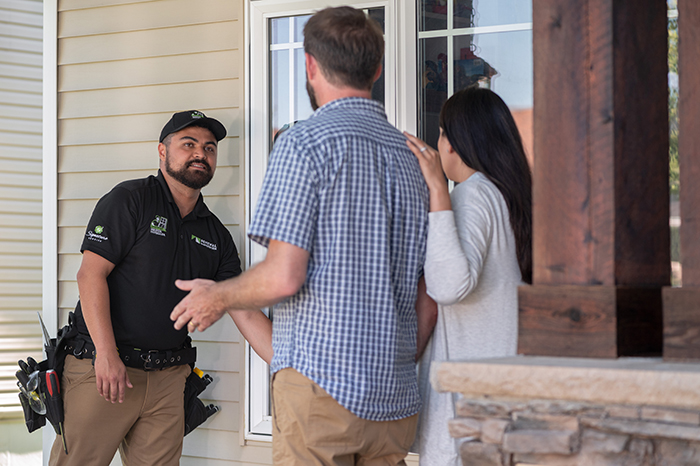
Want an expert pair of eyes to let you know what’s really going on between the panes? A quick, free in-home assessment can outline repair options, give pricing on replacement windows, and help you choose what makes the most sense for your home and your budget.