

If you walk around your home and make a list of windows to replace, San Diego’s climate adds a few extra variables to consider. Some of these things could be intense sunshine, salty air by the beach, and a wide range of architectural styles to choose between – from Spanish Revival and Craftsman to modern coastal builds (depending on your home).
This guide explains how to pick the right windows to replace in San Diego so everything holds up beautifully and performs year-round.
First Things First: Prioritize the Right Openings
Before diving into specific materials and styles, decide which windows to replace. You should prioritize:
- Windows that show pitting or corrosion usually occur near the coast.
- Rooms with persistent heat gain or glare (south/west exposures).
- Frames that show signs of warping, rot, or seal failure (foggy panes).
- Bedrooms and living spaces where noise, drafts, and warped sashes affect comfort.
A quick chat with a local installer can help you decide how to handle your project. You can either choose to start with windows that: (1) get the most sun and heat exposure, (2) are heavily affected by coastal air, or (3) seem to let in the most drafts and outside noise.
Windows Built for the Sun
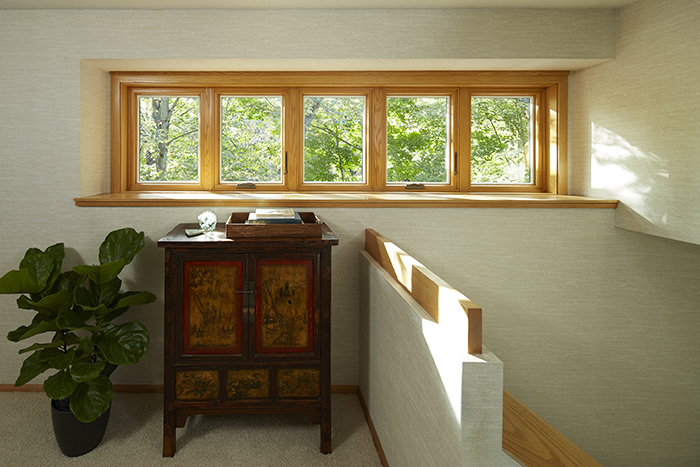
San Diego’s sunshine is part of its charm, but the ultraviolet rays and the heat can damage your finishes and raise indoor temperatures.
What to look for…
- Color-stable exterior finishes that resist fading and chalking.
- Argon gas fills to reduce heat transfer at the glass perimeter.
- Tight air leakage ratings to limit hot air from seeping through on dry and windy days. For reference, a lower rating translates to fewer drafts in your space.
- Low-E glass that lowers Solar Heat Gain Coefficient (SHGC) without making interiors gloomy.
Why it matters in practice…
- Reducing sun glare helps protect floors, artwork, and furniture from discoloration.
- South and west-facing rooms will feel significantly cooler with a lower SHGC rating.
- Better insulation helps keep your heating and cooling system at a steady temperature. This is especially true in single-story homes with large sliding doors.

Installer Tip
If you’re choosing to replace only one side of your house this year, start with the west side – it usually offers the most comfort, even from the first day of installation!
Windows for homes near the water
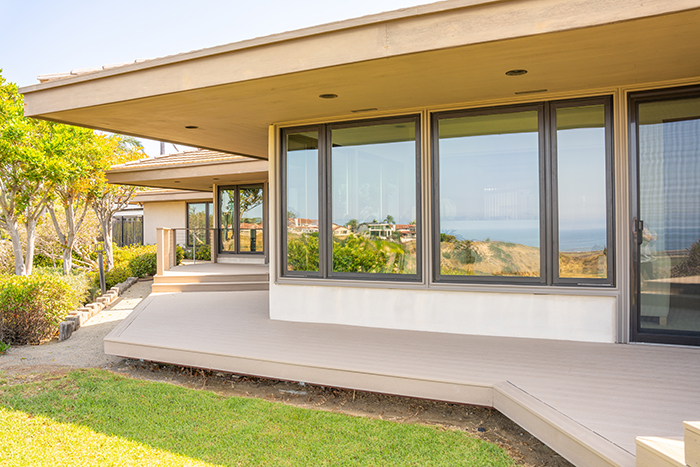
If you live along the coast, salt and moisture in the air can corrode hardware and attack lower-quality finishes.
What to look for…
- Corrosion-resistant hardware (stainless steel or marine-grade alloys).
- Factory sealants and strong weatherstripping to keep salt and moisture out of sash pockets and tracks.
- Composite or fiberglass frames that won’t swell, pit, rust, or chalk. Premium vinyl can work inland, but composites often outperform in most climates.
- Laminated glass is perfect for windy or exposed areas; it adds durability and helps with sound control.
Care basics
- Keep weep holes clear to allow the salt water to drain. For reference, weep holes are the small openings that let water drain and prevent damage to your home.
- Rinse exterior frames and hardware with fresh water a few times per season.
- Perform annual hardware checks with small lubrication to extend service life.
Installer tip
Ask your contractor to specify the hardware series by name and the corrosion rating. It’s the unsung hero in coastal performance and a key reason to replace windows by the beach.
Windows that match your home’s aesthetic
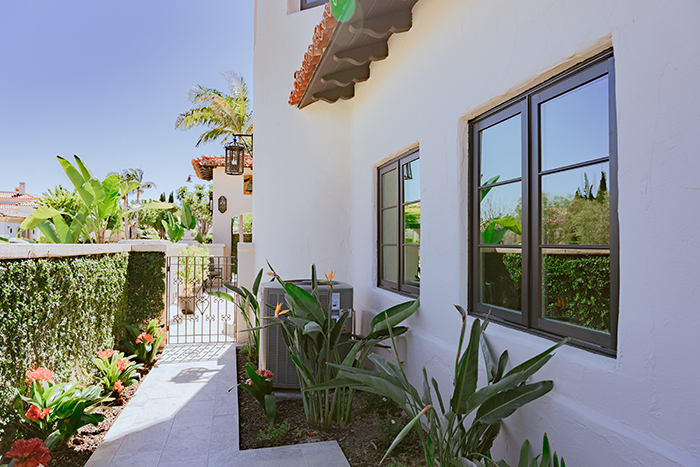
One of the best features of San Diego’s architecture is how diverse it is. Here’s how local installers align performance choices with curb appeal:
Spanish Revival / Mediterranean
- Profiles: Narrow to moderate frames with putty-style or decorative grilles.
- Colors/finishes: Deep bronze, clay, or warm neutrals pair well with stucco and red tile roofs.
- Operations: Casement windows enhance a historic looking home. Plus, arches and radius tops on a custom window will boost authenticity.
Craftsman / Bungalow
- Colors: Earth tones and soft greens complement a natural wood trim.
- Profiles: Thicker grille patterns in the upper sash only. This is known as the “cottage style” home.
- Operations: Use double-hung or casement windows with a transom (glass above the door). For bathrooms, consider textured or obscure glass to maintain that vintage look.
Mid-Century Modern
- Colors: Black or dark bronze for a crisp, modern look.
- Styles: Slim frames allow for larger glass areas. Choose fixed windows and sliders for wide, horizontal views.
- Operations: Choose large sliders and fixed picture windows. Also consider sound-reducing glass if you live in a noisy area.
Contemporary Coastal
- Profiles: Minimal frames for maximum views; corrosion-resistant materials are a must.
- Colors: Crisp whites or deep charcoals against stucco or fiber-cement cladding.
- Operations: Casement and awning windows to catch breezes; multi-panel doors where the structure allows.
Ranch / Suburban Remodels
- Profiles: Balanced frame thickness; keep the vertical bars on the sides of your window slim for more daylight.
- Colors: Versatile neutrals and two-tone (dark exterior, white interior) to bridge interior palettes.
- Operations: Mix of sliders, casements, and picture windows for a cost/performance balance.

Designer Detail
Grille patterns, hardware finishes, and interior stain or paint options should have the same visual aesthetics to maintain a consistent look throughout your space.
Material & Glass Pairings That Work in San Diego
- Premium vinyl inland + high-performance Low-E glass: Budget-friendly in low-salt areas.
- Composite or fiberglass frames + Low-E, low SHGC double-pane glass: A strong choice for sun control, stability, and color retention.
- Composite frames + laminated glass on street or coastal sides: Offers sound reduction and security with corrosion-resistant hardware.
- Aluminum-clad wood: Beautiful in historic or high-design homes; ensure proper maintenance and coastal hardware upgrades if you’re near the ocean.
Planning, phasing, and budgeting

- Phase by exposure: West and south-facing windows this year; north and east next year.
- Bundle by room use: Focus on primary bedrooms, living rooms, and kitchens for maximum comfort.
- Ask about service: Local, in-house crews will keep things simple before and after installation.
Quick checklist
- Which rooms would benefit the most right now, and which can wait for later?
- Does the frame profile and grille pattern fit your home’s aesthetic?
- Are your hardware and finishes “corrosion-resistant” if you’re near the coast?
- Is installation specified (flashing, sealing, foam type) and does it have a warranty?
- Do the NFRC labels align with your sun exposure goals (low SHGC, strong U-Factor)?
Putting it all together…
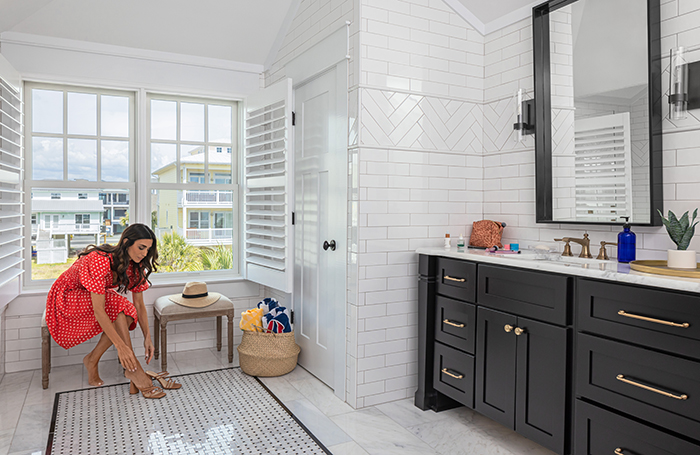
Learning how to pick the right windows to replace in San Diego is equal parts climate science and design. Start by choosing glass that manages heat as well as frames that will prevent corrosion. Next, match the aesthetics to your home’s architecture for a seamless look.
With a clear plan, you’ll know exactly which windows to replace first, which materials make sense for your neighborhood, and how to keep your home comfortable, quiet, and beautiful for years to come!