

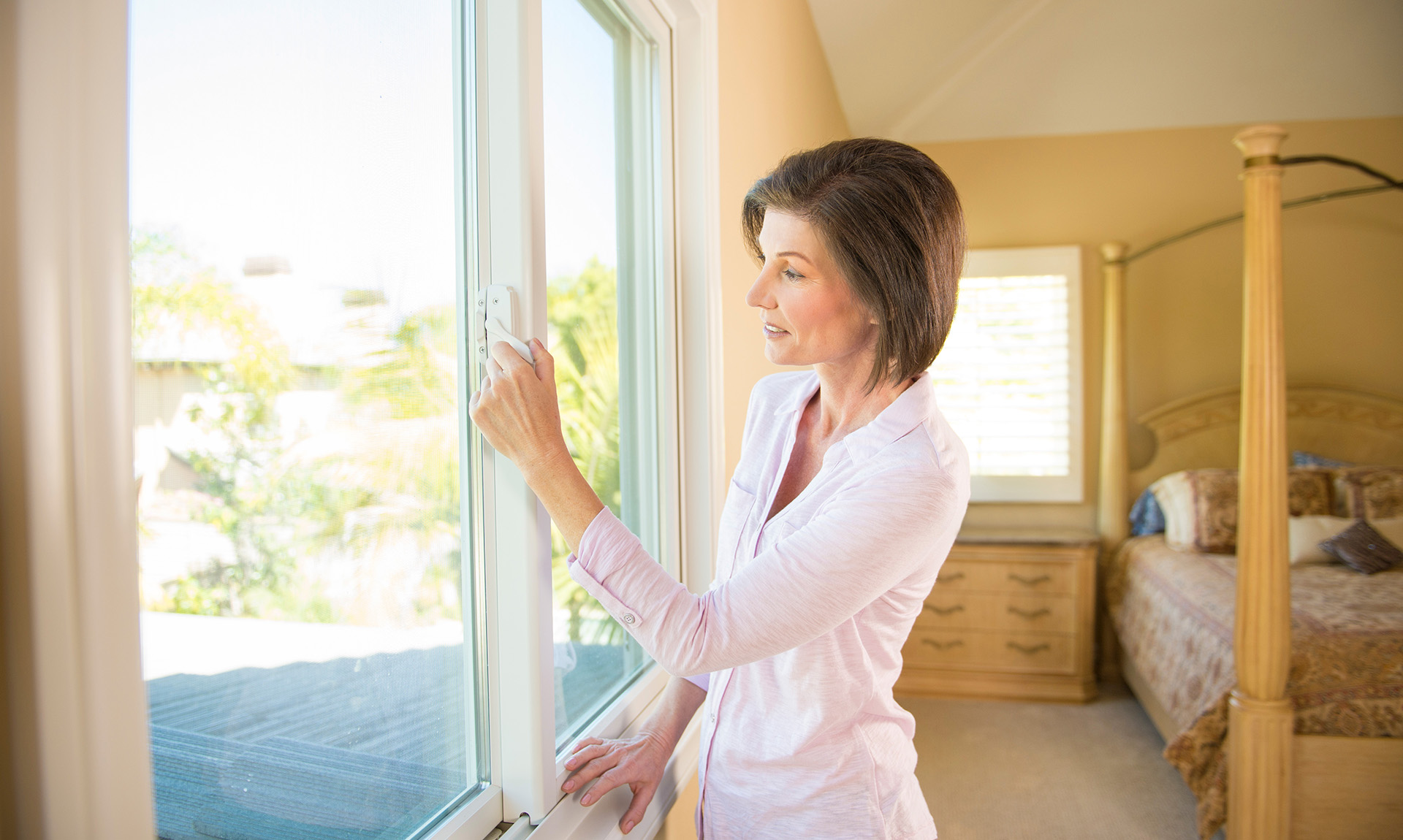
April 5–11 marks National Window Safety Week, an important initiative designed to heighten awareness about the role window safety plays in your home. And with spring delivering more sunny days and fresh breezes, that’s when we start opening our homes to the outdoors a lot more frequently.
But before you crack open a window, it’s a good time to evaluate if your windows are working in your best interest.
Safety Tip #1: Putting Household Safety First
The National Safety Council (NSC) and the Window Safety Task Force work year-round to educate the public on preventing window falls and ensuring your emergency escape routes remain accessible. Here’s their list on how to keep the household safe:
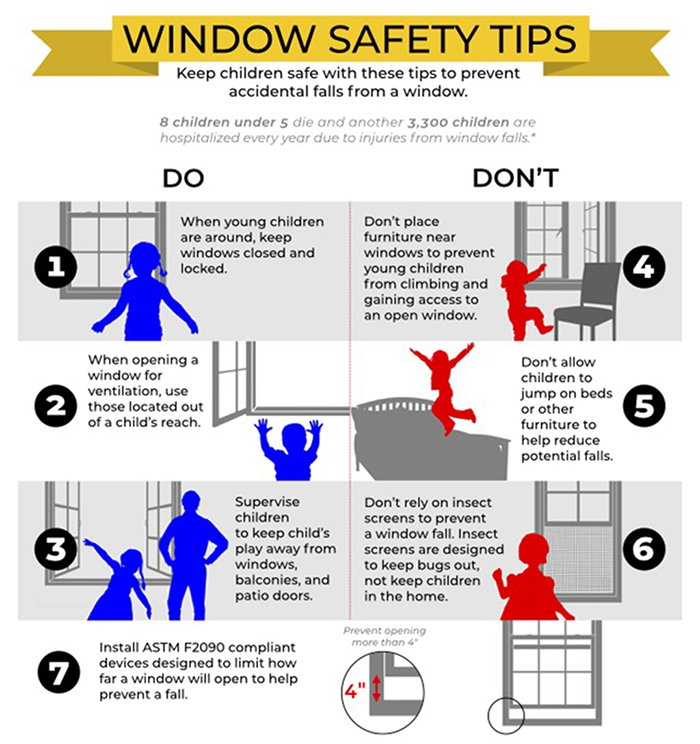
Read on for our expert guide to enhancing your home’s security and protecting your windows against every season.
Safety Tip #2: Protect Your Security
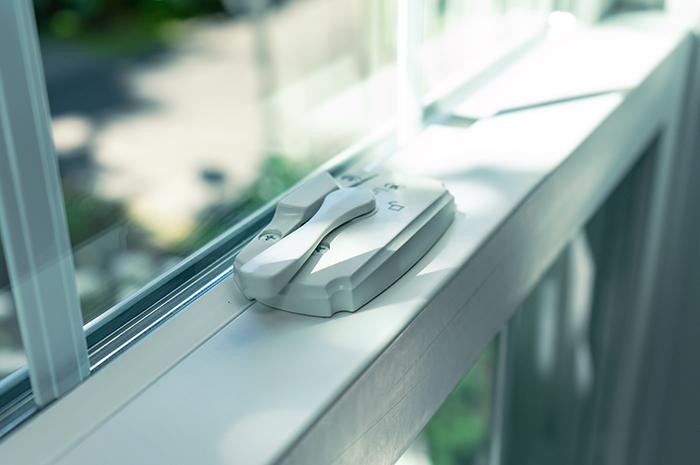
Having secure locks and hinges is one of the best ways to keep everything secure from vandalism and forced entries. If your locks are sticky, rusted, or loose, your home may be more susceptible to intruders.
Meanwhile, it’s easy to overlook the safety of the hardware itself. For example: A double-hung window with faulty hardware is an extreme hazard. If the sash is too heavy for the worn-out pulleys, it has a higher chance of falling and crushing your fingers unexpectedly. Having operable sashes helps you avoid these potential safety hazards.
Safety Tip #3: Advanced Tools for Total Peace of Mind
Standard locks are just the beginning! Integrate these handy tools to bring extra layers of protection and peace of mind.
- Window opening control devices (WOCDs) ensure your window can’t be opened more than four inches, reducing the risk of accidental falls. However, you can still undo the latch for a full release in case of emergencies.
- Good for sliding windows, adjustable security bars provide a physical deadbolt that prevents the sash from being forced open from the outside. This is just another level of security that will prevent intrusion in the long-term.
- If you’re looking for a way to be notified in the event of a break-in, you can install vibration sensors directly to the window glass. These devices contain a loud siren that are trigged by glass breakage or heavy vibration of a pry bar, making them a great tool for deterring burglaries.
Safety Tip #4: Window Frames – Your Ultimate Line of Defense
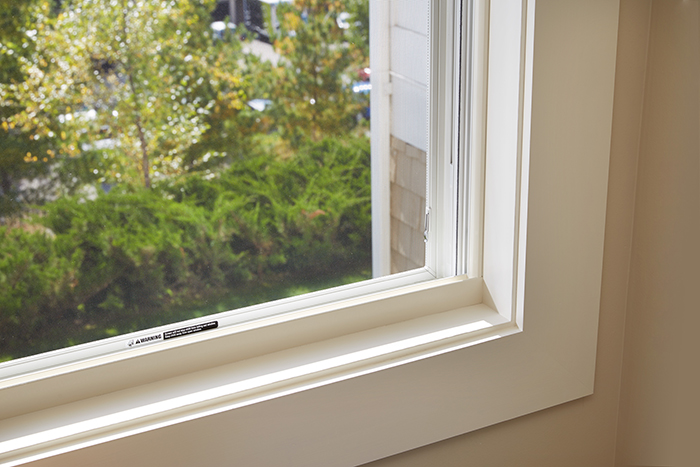
Choosing the right materials for your window frame is a fundamental decision for your home’s long-term safety and structural integrity. Over time, weak materials can cause rot, drafts, and potential health issues from letting in dust, pollen, and outside pollutants into your home. Here we’re going to breakdown the inherent weaknesses found in common window materials:
- Wood: Highly susceptible to rot, mold, and pest infestation as it ages.
- Vinyl: Prone to significant expansion and contraction during extreme temperature swings, which will eventually warp the frame and permanently break your window’s airtight seal.
- Aluminum: Allows hot and cold weather to transfer freely, leading to higher energy bills, more discomfort, and structural decay.
If these materials fall short, what’s the solution? Well, the most optimal choice is to find a composite material that can blend the best aspects of each material. By avoiding deficiencies, you won’t be exposed to the major issues that most homes fall susceptible to.
About the Window Safety Task Force
Formed in 1997, the Window Safety Task Force promotes awareness to prevent accidental falls and educates those on the importance of windows in emergency escape and rescue. The task force is comprised of industry leaders from the Fenestration and Glazing Industry Alliance (FGIA) and the Window & Door Manufacturers Association (WDMA), in partnership with the National Safety Council.
Don’t wait for a hardware failure or a spike in your energy bills to take action. This National Window Safety Week, give your home the upgrade it deserves.